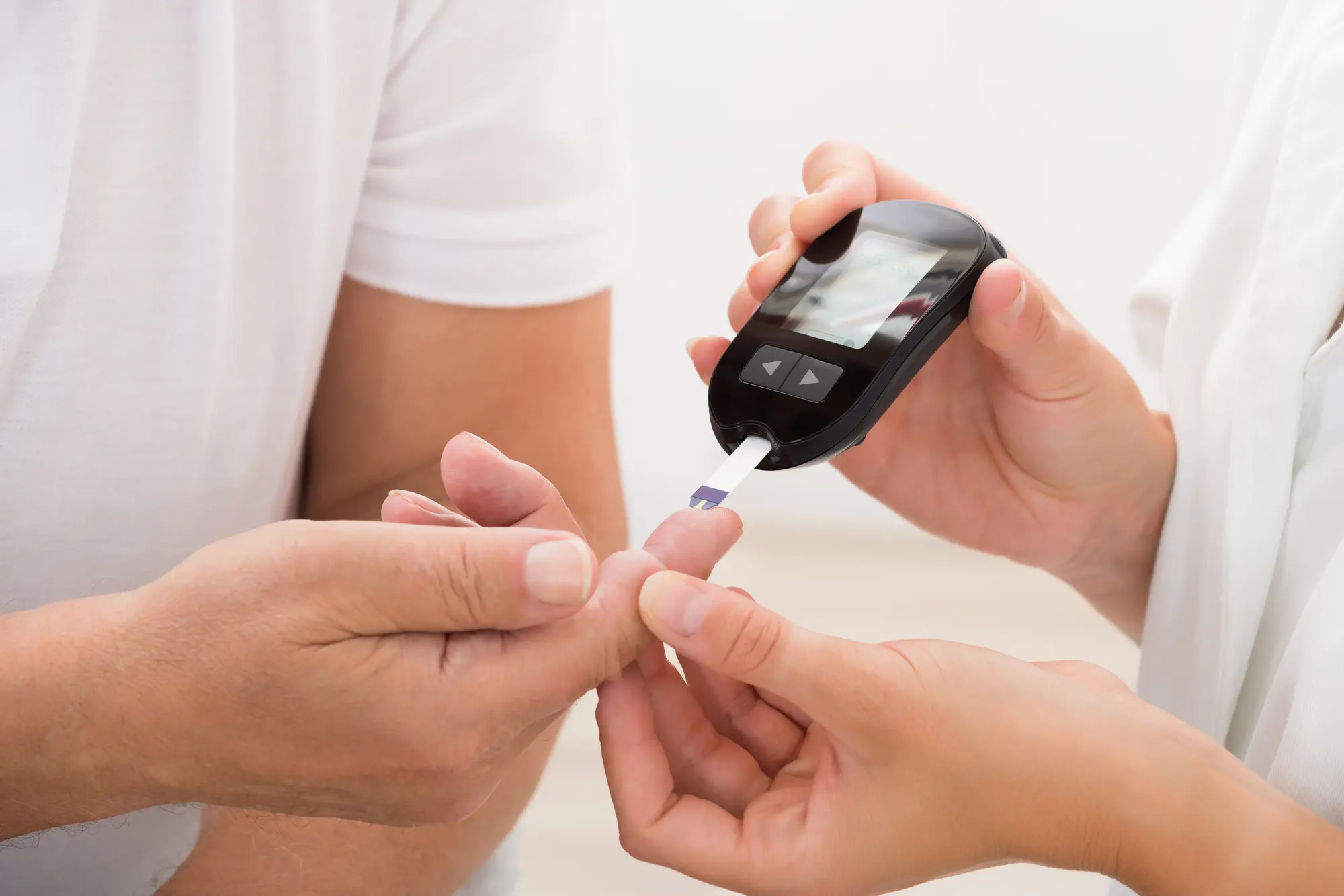
Confused about blood sugar numbers? This guide explains what normal, prediabetic, and diabetic ranges look like — and what your number actually means for your health. You got a blood sugar reading — maybe from a routine lab test, a home glucose monitor, or a visit to your doctor — and now you are not sure what the number means. Is it good? Is it concerning? Should you be worried? Take a breath. This guide will walk you through everything you need to know about blood sugar levels, what the numbers mean, and what to do next. ## What Is Blood Sugar — And Why Does It Matter? Blood sugar, or blood glucose, is the amount of sugar (glucose) circulating in your bloodstream at any given time. Glucose is your body's primary fuel source — your brain, muscles, and organs all run on it. The food you eat gets broken down into glucose, which enters your blood and is then delivered to cells with the help of a hormone called insulin. When your blood sugar stays consistently too high, it can damage blood vessels, nerves, and organs over time. When it is too low, your body does not have enough fuel to function properly. The goal is a healthy range — not too high, not too low. ## Types of Blood Sugar Tests Before you can interpret your number, you need to know which test it came from — because each test measures blood sugar differently. ### The Three Most Common Blood Sugar Tests - **Fasting Blood Glucose** — Measured after at least 8 hours without eating. This is the most common test used to check for diabetes or prediabetes. Your number will be lower than after a meal.- **Random Blood Glucose** — Measured at any time, regardless of when you last ate. Used in urgent situations or general checkups. Numbers vary more widely.- **A1C (Hemoglobin A1C)** — Not a snapshot but an average. It reflects your blood sugar levels over the past 2–3 months. No fasting required. Reported as a percentage, not mg/dL. ## What Are Normal Blood Sugar Levels? Here are the ranges used by the American Diabetes Association. Note that your lab report may use slightly different reference ranges — always review your results in the context of your own health history. | Test Type | Normal | Prediabetes | Diabetes ||---|---|---|---|| Fasting Blood Glucose | Below 100 mg/dL | 100–125 mg/dL | 126 mg/dL or higher || Random Blood Glucose | Below 140 mg/dL | 140–199 mg/dL | 200 mg/dL or higher || A1C | Below 5.7% | 5.7%–6.4% | 6.5% or higher | One result in the prediabetic or diabetic range does not automatically confirm a diagnosis. Most doctors want to see two separate readings before making a determination — especially if you were sick, stressed, or had just eaten when the test was taken. ## What Can Affect Your Blood Sugar Reading? Blood sugar is not fixed — it rises and falls throughout the day based on many factors: - **Food:** Carbohydrates and sugars raise blood sugar. Protein and fat raise it more slowly.- **Exercise:** Physical activity generally lowers blood sugar by helping cells absorb glucose.- **Stress:** Stress hormones like cortisol can raise blood sugar — even without eating anything.- **Sleep:** Poor sleep disrupts blood sugar regulation.- **Illness:** Being sick often causes temporary blood sugar spikes.- **Medications:** Steroids, certain blood pressure medications, and other drugs can affect glucose levels. ## Blood Sugar in Latino and Filipino Communities Type 2 diabetes and prediabetes affect Latino and Filipino-American communities at significantly higher rates than the general population — often related to a combination of genetics, traditional diets high in white rice and refined carbohydrates, limited access to preventive care, and the physical effects of long-term stress. If your numbers are elevated, you are not alone — and the condition is highly manageable, especially when caught early. Understanding what your number means is the first and most important step. > One reading is not a diagnosis. But it is information — and information is where change begins. ## Questions to Ask Your Doctor 1. "Based on this reading, am I in a normal range, prediabetic, or diabetic?"2. "Should we retest to confirm? Did anything affect today's result?"3. "What dietary changes would make the biggest difference for my numbers?"4. "Should I see a diabetes educator or dietitian?"5. "Do I need medication right now, or can we start with lifestyle changes?" ## What to Do If Your Number Is High If your fasting blood sugar came back above 100 mg/dL, do not panic — but do take it seriously. Here is a simple framework: - **Confirm it:** Ask your doctor to retest before drawing conclusions.- **Understand context:** Were you sick, stressed, or did you eat right before the test?- **Start with small changes:** Reducing sugary drinks, white rice, bread, and processed food can make a measurable difference within weeks.- **Move your body:** Even a 20-minute daily walk lowers blood sugar over time.- **Follow up:** Schedule a return visit within 3 months to check your progress. ## Got a Blood Sugar Result You Want to Understand? Upload your lab report to NeuroMed Aira and ask your questions in plain language — in English, Spanish, Tagalog, or any of 10+ languages. Get a clear explanation before your next appointment. Free to start. 👉 **Try NeuroMed Aira free:** [neuromedai.org](https://neuromedai.org) Neuroscience Diagnostics Patient care Research