A caregiver and a cardiovascular surgeon — building the tool they both wished had existed.
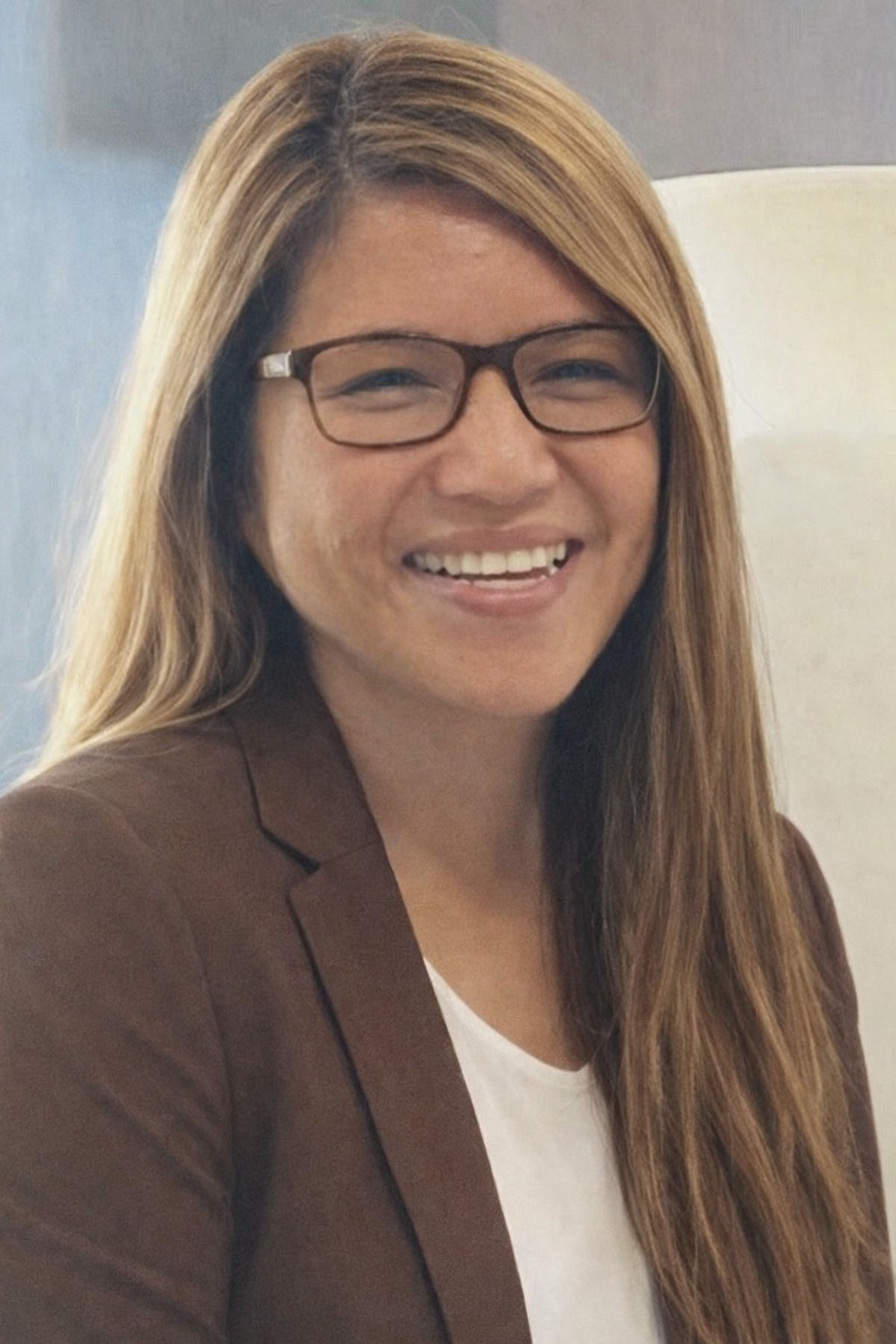
Founder & CEO, Aira
Sixteen years ago, my husband became sick.
We've seen specialists, traveled to appointments, and collected thousands of pages of medical records — lab results, imaging reports, discharge summaries, physician notes. After sixteen years, we still don't have all the answers.
What surprised me most wasn't how complicated medicine was. It was how difficult it was to understand. Every appointment ended with more paperwork, more terminology, more abbreviations, more questions. I would sit at the kitchen table late at night trying to make sense of lab reports and medical notes written for clinicians, not patients.
I wasn't a physician. I was a wife trying to help someone she loved.
Over time, I learned how to read bloodwork, how to organize medical records, how to prepare for appointments and ask better questions. But I often wondered: why does understanding your own healthcare have to be this hard?
Then new technology arrived. While many people were talking about what it could do for hospitals, physicians, and researchers, I kept thinking about patients. What if someone could leave a doctor's appointment and actually understand what was said? What if medical language could be translated into plain language? What if patients knew what questions to ask next — and caregivers didn't have to navigate complex medical information alone?
That idea became Aira.
Aira is not designed to replace physicians. Aira is designed to help patients understand them. Simply press record during your visit. Aira listens to the conversation, creates a clear summary, explains important medical information in plain language, and helps identify questions worth discussing with your healthcare team.
That's it. Simple — because healthcare is already complicated enough.
I built Aira because I spent sixteen years wishing something like it existed for my family. If you've ever left a medical appointment confused, overwhelmed, or unsure what happened next, you're not alone. I've been there. And that's why Aira exists — not because technology needed another product, but because patients deserve to understand their own healthcare.
"Until every patient understands."
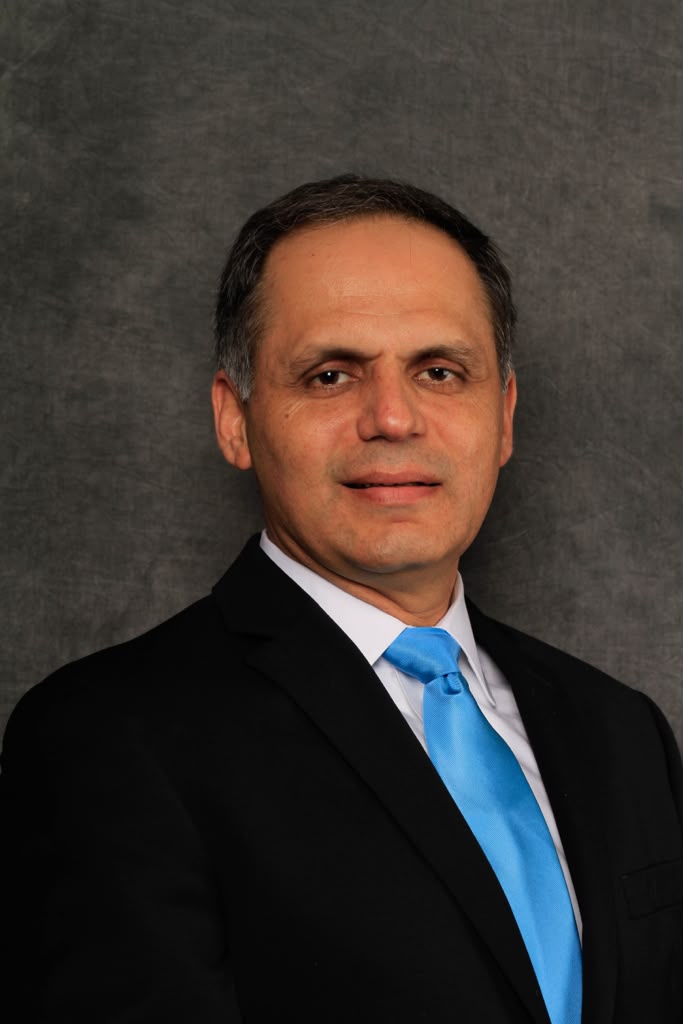
MD, MBA, FACS — Chief Medical Officer
I've spent more than twenty-four years in operating rooms, boardrooms, and everywhere in between.
As a cardiovascular surgeon, a healthcare executive, and, more often than I expected, as someone trying to bring new technology into systems that weren't built for change.
Early in my career, I helped establish Pakistan's first minimally invasive cardiac surgery program and performed the country's first transcatheter aortic valve replacement. Later, I trained physicians at nearly ninety structural heart programs across the United States and advised medical technology companies developing the next generation of cardiovascular devices. Every one of those efforts taught me the same lesson: the hardest part of innovation in healthcare is rarely the technology itself. It's getting that technology into the hands of the people who need it, in a form they can actually use.
For most of my career, the people I focused on bridging that gap for were physicians and health systems. Patients were part of the equation, but not always the center of it.
Aira changed that for me.
When I first saw what the platform could do — listening to a patient's own appointment, translating it into language they could understand, helping them walk back into their next visit with the right questions — I recognized something I hadn't seen built with this kind of intention before. Not a tool for hospitals. Not a tool for clinicians. A tool for the patient sitting across the desk, trying to make sense of what they'd just been told.
That's why I joined as Chief Medical Officer.
My role is to make sure Aira holds up to the same clinical rigor I'd expect from any tool I'd put in front of my own patients — accurate, safe, and genuinely useful in the moment it matters most. I bring frontline surgical experience, executive leadership, and a career spent helping new technology earn its place in real clinical workflows. Maria brings the lived experience of a caregiver who spent sixteen years navigating exactly the problem we're solving.
That combination is rare. I don't think Aira works without both.
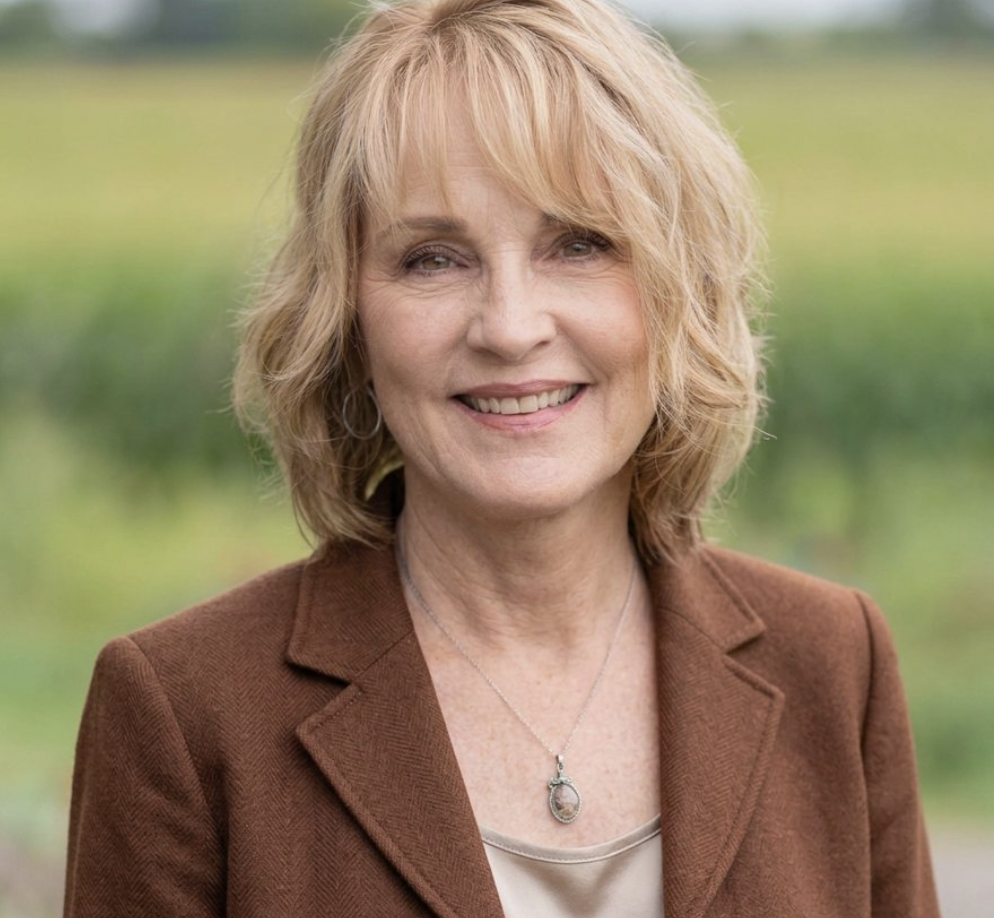
RN — Board Member, Aira
I've spent my career at the bedside, where understanding a patient means listening first.
A registered nurse, I began at The Ohio State University Medical Center before joining Fairfield Medical Center, where I served across nearly every corner of the hospital: intensive care, pediatrics, labor and delivery, medical-surgical, cardiac care, the pain center, and the cardiac catheterization lab. I later brought that hospital-wide perspective to internal medicine in a private physician practice.
That range gave me a rare view of the patient journey — the newborn and the cardiac patient, the surgical floor and the exam room — and a clear sense of where patients get lost along the way. Time and again, I saw people leave an appointment nodding politely, holding instructions they didn't fully understand.
Now retired from full-time practice, I have not stopped advocating. Every week I visit a nursing home to sit with a woman who is over one hundred years old — a former patient of mine from my working years.
The care did not end when the shift did. It simply continued.
I bring that same constancy to the Aira board, where my decades at the bedside keep the company anchored to the people it serves — until every patient understands.