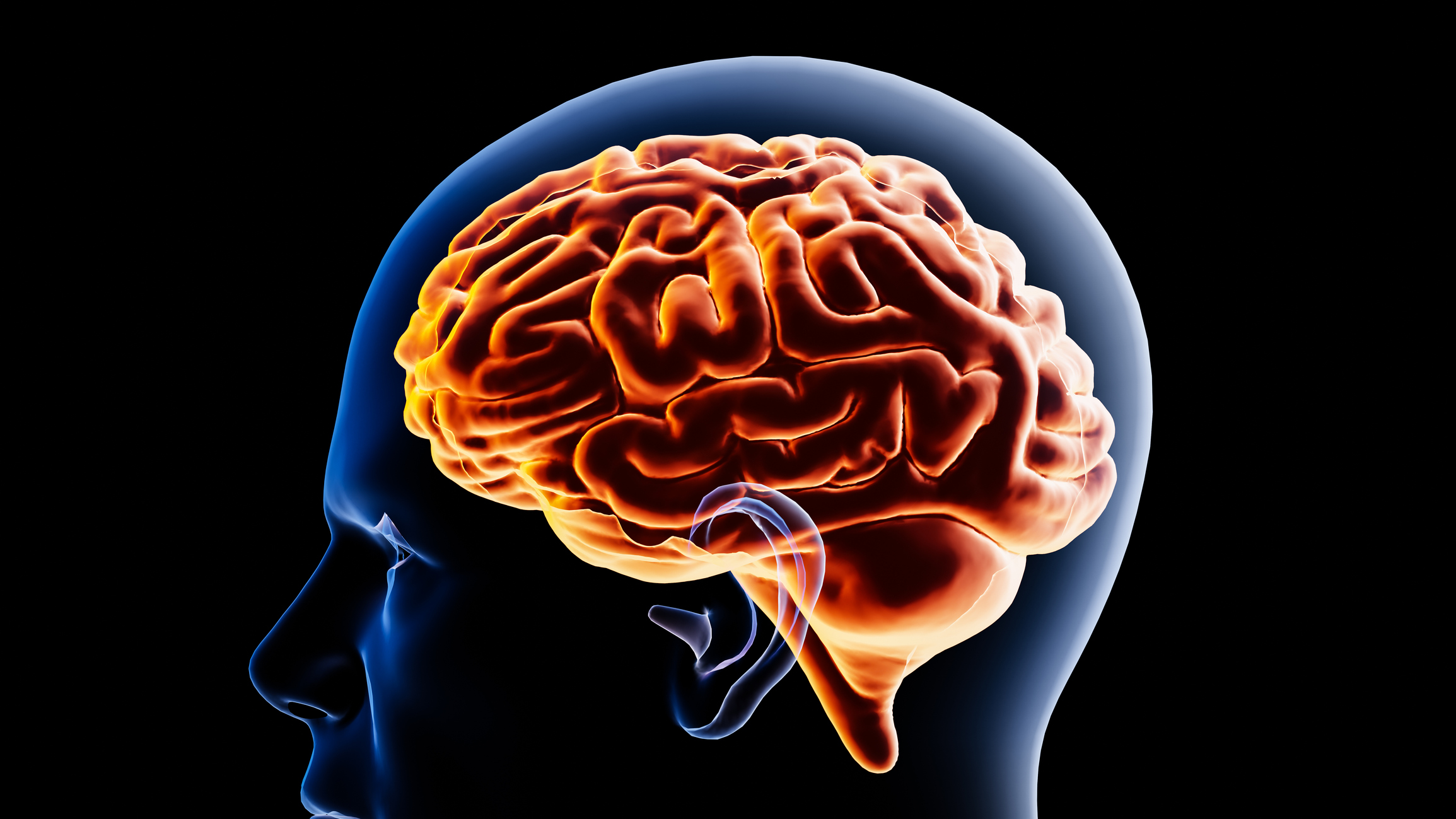
Brain fog, fatigue, inflammation, and feeling "off" - are your daily habits affecting your brain more than you realize? This plain-language guide explores what the science says about lifestyle and brain health - without the hype. Lately, there has been a growing wave of conversations online about brain fog, inflammation, insulin resistance, ketosis, fasting, and something many wellness speakers dramatically call "taking out the trash." The phrase may sound strange at first. But underneath the dramatic language is a real and important question: Why do so many people feel mentally exhausted, emotionally flat, inflamed, forgetful, unfocused, or physically older than their age? And more importantly: can lifestyle habits actually affect the brain that deeply? The answer is yes - to a meaningful degree. But the internet tends to swing between two unhelpful extremes: "everything is fine" or "one diet fixes everything." The truth, as it usually is, lives somewhere more nuanced and more human in the middle. > "Your body is not failing. In many cases, it is responding exactly as biology responds to chronic overload - and that means something can be done about it." ## Your Brain and Body Are Constantly Working - Every Single Day Most people think of the body as something that gets sick occasionally or gains weight over time. But the reality is far more dynamic. Your brain and body are engaged in a continuous, around-the-clock process of maintenance - whether you are aware of it or not. ### What Your Body Is Doing Right Now - Repairing damaged and aging cells- Regulating hormones across dozens of systems simultaneously- Processing and resolving inflammation- Stabilizing blood sugar after every meal- Clearing metabolic waste from the brain - primarily during deep sleep- Rebuilding muscle tissue broken down by daily movement- Managing stress chemicals like cortisol and adrenaline- Adapting all of these systems to how you live Sleep, movement, nutrition, stress, hydration, and social connection all influence these processes - not as lifestyle accessories, but as the actual inputs your biology runs on. When these systems become chronically overwhelmed - through poor sleep, relentless stress, physical inactivity, highly processed diets, excessive alcohol, social isolation, or prolonged metabolic strain - the body begins showing signs of strain. Not failure. Strain. ### What That Strain Often Looks Like - Brain fog- Chronic fatigue- Poor focus- Low motivation- Irritability- Energy crashes- Abdominal weight gain- Feeling emotionally flat None of these symptoms automatically mean something is seriously wrong. But they may be your body's way of signaling that something in the system is under strain - and that it is worth paying attention. ## Why Visceral Fat and Insulin Resistance Matter More Than the Scale One of the most important - and most misunderstood - concepts in modern metabolic health is the difference between what you weigh and what is happening metabolically inside your body. Much of the public conversation about health focuses on body weight. But researchers increasingly point to visceral fat - the fat that wraps around your internal organs, not the fat you can pinch under your skin - as a more meaningful indicator of metabolic risk. Unlike subcutaneous fat, visceral fat is metabolically active. It produces inflammatory compounds, disrupts hormone signaling, and is closely associated with: - Insulin resistance - when your cells stop responding properly to insulin, making blood sugar regulation harder- Chronic low-grade inflammation throughout the body and brain- Cardiovascular disease and fatty liver disease- Increased cognitive and metabolic risk over time ### What Many People Do Not Realize You do not have to look overweight to have metabolic dysfunction. Some individuals who appear thin may still have elevated visceral fat, unstable glucose regulation, or chronic inflammation - particularly if they are sedentary, sleep-deprived, or under sustained stress. This is one reason why two people with identical body weights can feel completely different in terms of energy, mental clarity, and physical resilience. The scale is one data point - not the whole picture. > "Metabolic health is not about how you look. It is about how your cells are communicating, how well your body is managing energy, and how much internal inflammation your system is carrying." ## The Sleep Conversation Nobody Wants to Have In a culture that celebrates productivity and treats rest as optional, sleep has become one of the most neglected health factors in modern life. Yet the science on sleep is unambiguous: it is not a passive state. Sleep is when your brain performs some of its most critical maintenance work. During deep sleep, your brain's glymphatic system - a biological waste-clearance system discovered relatively recently - flushes out metabolic byproducts that accumulate during waking hours. Some of these byproducts, when they build up over time, are associated with neurodegenerative disease. Beyond waste clearance, consistently poor sleep affects nearly every system in your body. ### What Poor Sleep Actually Does to Your Biology - **Blood sugar regulation:** Even one night of poor sleep measurably increases insulin resistance the next day.- **Appetite hormones:** Sleep deprivation raises ghrelin (hunger hormone) and lowers leptin (fullness hormone), making overeating feel biologically driven - not just a lack of willpower.- **Stress hormones:** Cortisol stays elevated, keeping the nervous system in a state of low-grade activation.- **Mood and emotional regulation:** The brain's ability to regulate emotional responses is significantly impaired by sleep loss.- **Memory consolidation:** The brain processes and stores memories during sleep; chronic poor sleep disrupts learning and recall.- **Inflammation:** Sleep loss triggers measurable increases in inflammatory markers.- **Cognitive performance:** Reaction time, decision-making, focus, and creativity all decline with insufficient sleep. Many people have experienced this directly: after several nights of poor sleep or heavy late-night eating, the brain simply does not feel sharp. Thoughts feel slower. Emotions feel closer to the surface. Focus feels effortful. That is not laziness. That is not a character flaw. That is physiology doing exactly what physiology does under insufficient rest. > "The most powerful cognitive enhancement tool available to most people is not a supplement, a device, or a protocol. It is consistent, sufficient sleep." ## What About Ketosis and Fasting? An Honest Look Few topics in wellness generate more passionate - and polarizing - conversation than low-carbohydrate diets and intermittent fasting. So let us be honest about what the evidence actually says. Some people genuinely experience meaningful benefits from these approaches: - Improved appetite control and reduced cravings- Greater mental clarity and sustained energy- Better blood sugar stability, especially in people with insulin resistance- Meaningful weight loss, particularly of visceral fat There is real, peer-reviewed research supporting metabolic benefits of lower-carbohydrate eating and time-restricted eating in certain individuals. This is not pseudoscience. However, ketogenic diets are not proven cures for Alzheimer's disease, Parkinson's disease, cancer, clinical depression, or every chronic illness. The science in many of these areas is genuinely preliminary - and the gap between promising early research and established treatment is enormous. What works beautifully for one person's metabolism, hormones, and life circumstances may feel terrible - or even be harmful - for another. Demonizing entire food groups or following extreme protocols without medical supervision is not evidence-based care. It is a diet turned into a belief system. A sustainable, evidence-informed health strategy considers the whole person: medical history, current medications, hormonal status, mental health, cultural relationship with food, financial realities, family life, and long-term balance that makes a way of eating livable - not just theoretically optimal. Health should expand your life. It should not make you afraid of every meal or disconnected from the people and traditions you love. ## The Modern World Is Genuinely Hard on the Human Nervous System Here is an uncomfortable truth that rarely gets enough space in wellness conversations: many of the symptoms people are experiencing - exhaustion, anxiety, brain fog, burnout - are not personal failures. They are biologically predictable responses to conditions humans did not evolve to live under. Consider what modern life asks of the nervous system: - Chronic sleep deprivation, normalized in a culture that treats busyness as virtue- Nutritional paradox: overfed in calories, undernourished in the micronutrients the brain and body actually need- Relentless stress with no clear endpoint, no physiological resolution, and little rest- Physical sedentariness despite the body being designed for regular, varied movement- Social isolation in an era of unprecedented digital connection and real loneliness- Digital overstimulation: constant information, notifications, and cognitive demand- Disconnection from natural rhythms (light, seasons, social rituals, rest) that humans regulated biology around for millennia Then we wonder why anxiety, irritability, cognitive fatigue, and burnout are no longer rare. Sometimes the body is not broken. Sometimes the body is responding exactly as biology responds to chronic overload. Recognizing that distinction matters - because shame and self-blame are not treatment plans. > "You are not broken for struggling. You are human, living under conditions that human biology was never designed for. That is worth acknowledging before it is worth fixing." ## What Small Changes Actually Do - And Why They Work The wellness industry profits from the idea that health requires dramatic transformation: extreme diets, expensive supplements, ambitious protocols, radical lifestyle overhauls. Most people try these things, feel overwhelmed, fail to sustain them, and conclude that health change is not possible for them. The evidence tells a different story. Small changes, applied consistently over time, often produce more durable results than dramatic interventions - because they work with human behavior rather than against it. ### High-Leverage Habits That Are Actually Sustainable - **Protect sleep first:** Keep consistent sleep and wake times, even on weekends. Dim screens an hour before bed.- **Reduce ultra-processed foods:** Not elimination - reduction. Replacing even part of intake with whole foods has measurable metabolic effects.- **Eat earlier in the evening:** Finishing dinner 2-3 hours before bed supports both blood sugar regulation and sleep quality.- **Move daily:** Walking, stairs, stretching, and routine movement are powerful anti-inflammatory tools.- **Build and maintain muscle:** Resistance training helps glucose metabolism, insulin sensitivity, and long-term brain health.- **Address chronic stress:** Not eliminate - address. Chronic unresolved stress drives inflammation and hormonal disruption.- **Maintain real relationships:** Social connection strongly predicts resilience, cognitive health, and longevity.- **Spend time outside:** Natural light supports circadian rhythm; green space can reduce cortisol. ## What NeuroMed Aira Believes About Health Health conversations should be compassionate, evidence-informed, and emotionally intelligent - not fear-based. ## The Bottom Line Your daily habits do matter - not as a moral verdict, but as biological inputs. Sleep, movement, food quality, stress, and connection are not lifestyle luxuries. They are the conditions under which your brain and body either thrive or struggle. The good news: the body is remarkably adaptive. Small, consistent changes in the right direction produce real results - not overnight, but over the months and years that make up a life. You do not have to overhaul everything. You just have to start somewhere. - You do not need perfection.- You do not need punishment.- You do not need to panic every time someone online promises a miracle cure.- Your brain is not disposable.- Your body is not your enemy.- Feeling better does not always begin with a prescription, and it does not always require an extreme protocol. Sometimes it begins with listening to what your body has been trying to say for years. Sometimes it begins with access to clear, honest, human information - in your own language, at your own pace, without judgment. ## Have health questions you want answered clearly - without the noise? NeuroMed Aira translates complex medical information into plain, compassionate language so you can understand your lab results, your diagnosis, or your treatment options without needing a medical degree. Free to start. Available in Spanish, Tagalog, and 10+ languages. **Talk to NeuroMed Aira:** [neuromedai.org](https://neuromedai.org) --- **Disclaimer:** This article is for educational purposes only and does not constitute medical advice. The information presented is intended to support general health awareness and informed conversations with healthcare providers. Always consult your physician or a qualified healthcare professional before making significant dietary, lifestyle, or medical changes, particularly if you have existing health conditions or take medications. Neuroscience Diagnostics Patient care Research